Mouth breathing and sleep comfort: what's actually going on
Why some people end up mouth-breathing at night — and what a simpler nasal setup actually looks like.
Researched and fact-checked by the Airvana editorial team · Educational only — not medical advice

You probably do not know you are doing it
Mouth breathing during sleep is one of those things most people discover indirectly. A partner notices. You wake up with a sandpaper throat. You reach for water before you reach for your phone. You feel like you slept but you do not feel rested.
Because it happens in the hours when you are unconscious, mouth breathing is one of the easier sleep habits to overlook — and one of the harder ones to address, because the solution requires changing something your body is doing automatically.
Why it happens
The body defaults to the path of least resistance. During the day, most people breathe nasally without thinking about it. At night, a few things shift: muscle tone drops across the body, including the soft tissue inside the nose; you move to a horizontal position, which redistributes blood flow and can slightly swell the nasal mucosa; and if the bedroom is dry or there is any congestion, the nose can feel even narrower.
Once the nasal passage feels like work, the body finds an easier route. The mouth opens. It happens gradually and without any conscious decision.
What mouth breathing actually does
The nose is designed for breathing. It filters particles, warms the air, adds humidity, and produces nitric oxide — a molecule involved in vasodilation and oxygen uptake. The mouth does none of this. It just moves air.
Mouth breathing at night tends to produce faster, shallower breathing. The throat and mouth dry out. People often experience more microarousals (brief, partial wakings the sleeper may not remember but which disrupt sleep architecture). Morning symptoms include dry mouth, rough throat, and a feeling of not quite having rested.
Gentle ways to encourage nasal breathing
There is no single fix, but there are a few approaches that work together. The goal is to make nasal breathing the easier option — not to force it.
- Support the nasal passage from the inside: a soft internal nasal dilator gently holds the nostril opening a little wider, which can make nasal breathing feel more effortless during sleep.
- Address room humidity: dry air irritates the nasal mucosa and encourages mouth breathing. A simple humidifier in the bedroom can make a noticeable difference.
- Consider sleep position: lying on your side keeps the nasal passages more open than sleeping on your back, where gravity works against you.
- Support neck and head alignment: a pillow designed for your sleep position can reduce the chin-drop that often accompanies mouth breathing.
When nasal breathing is not enough
Some people combine nasal support with gentle mouth tape — a small piece of skin-safe tape applied over the lips to encourage nasal breathing through the night. This approach works for some people and is worth researching if you want to explore it. The key caveat: only use it when you are sure your nasal passages are clear enough for comfortable nose-only breathing. If nasal blockage is severe, restricting the mouth can create discomfort or, in rare cases, risk.
If mouth breathing is accompanied by loud snoring, pauses in breathing, gasping, or significant daytime sleepiness, those symptoms deserve a medical conversation — not a wellness tool. Those are signs that something beyond comfort may be happening during sleep.
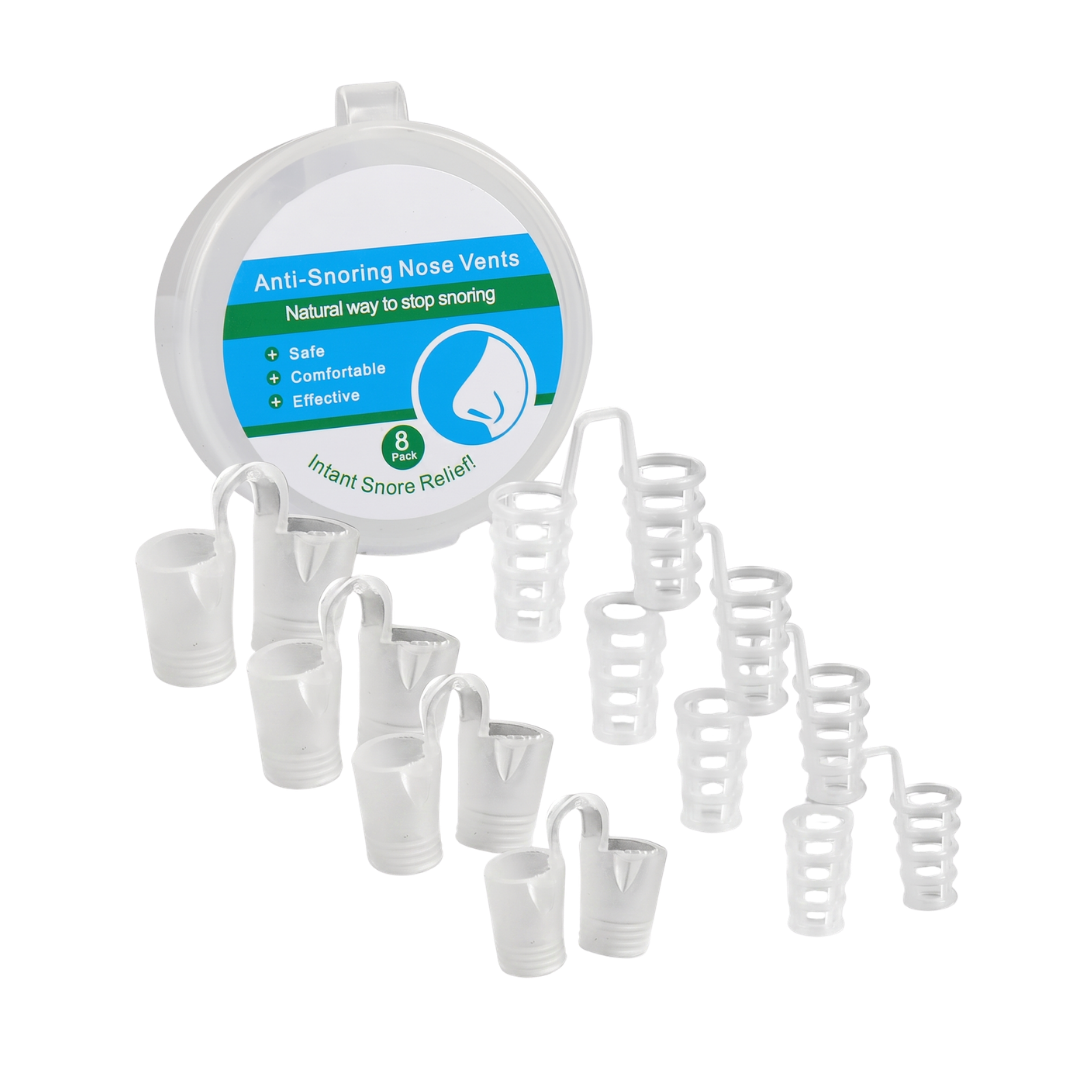
Airvana AirFlow Clip
A soft silicone clip that sits just inside your nostrils and gently holds them open — so you're not fighting for air while you're trying to fall asleep.